How do Direct Thermal Printheads Work?
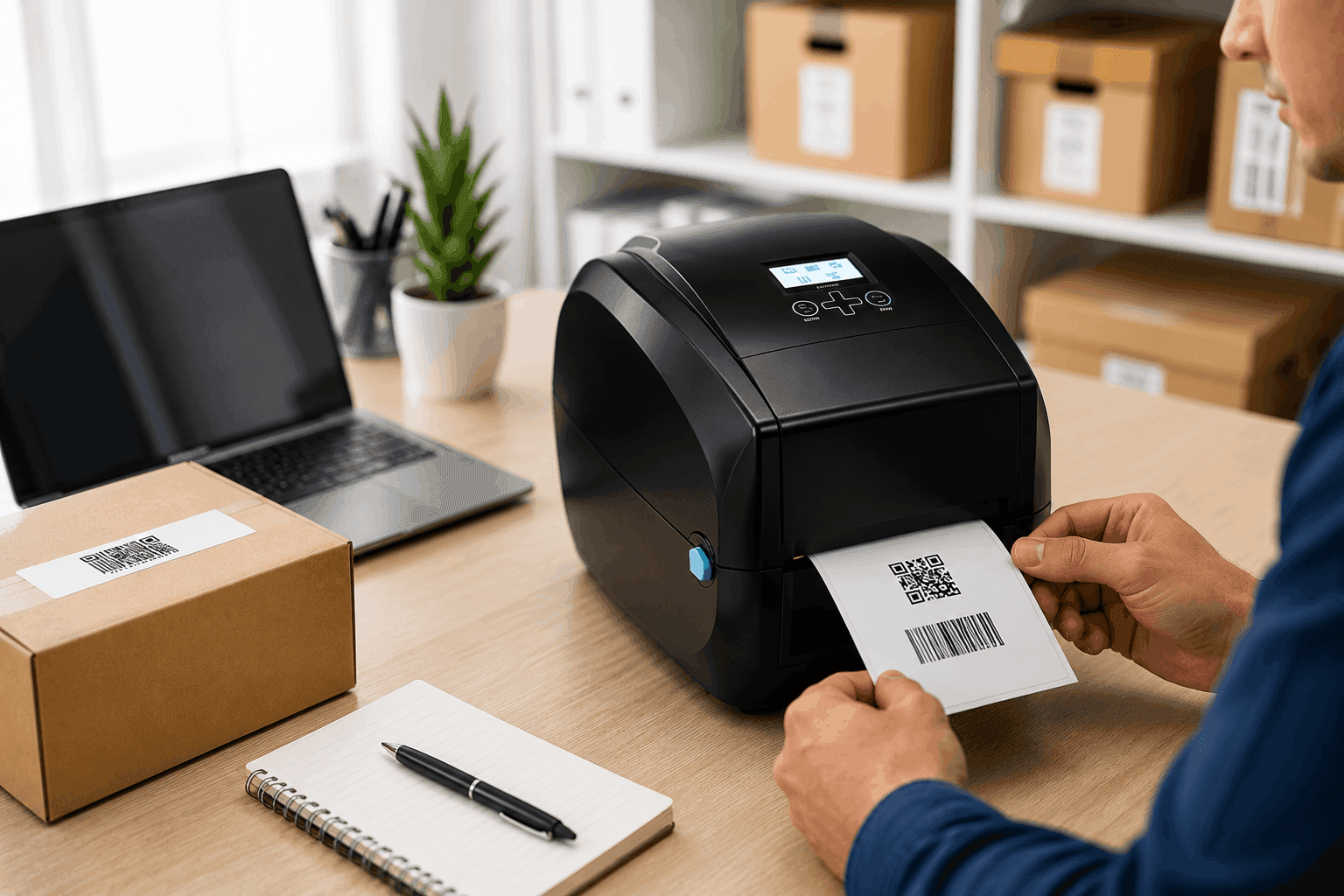
Thermal printers are frequently employed in order to satisfy different needs when it comes to printing, such as printing barcodes and receipts. Yet, what happens in case of direct thermal print heads? As could be presumed from the name, thermal printers operate thanks to the usage of heat instead of ink or laser. In case of direct thermal printers, this heat is supplied by the thermal printhead, which interacts with the thermo-sensitive paper. The process is carried out due to feeding the paper via the platen, which is just a silicone roller.
Thermal printheads are an integral part of the thermal printing system. The printhead is made of silicone glass with an extremely fine wire, which is known as the print line. Signals sent by other extremely thin wires create a “dot” of heat on the print line, and there are usually 203 dots per inch for most thermal printheads. The measurement “dpi” stands for dots per inch, which is used to measure the density of wires. Thermal printhead is positioned on top of and parallel to the platen.
Every thermal printer comes with a controller board that could be programmed with the help of firmware to control several barcodes as well as other printing needs like fonts, logos and size of printing. The controller board is capable of sensing when the paper is running out of or which part of the printer is opened, as is the case with normal printers. Then what makes thermal printers better? To start with, the thermal printers are quieter and faster as compared to other printers, besides being small in size and energy efficient. Moreover, the roll-based paper of most thermal printers make them very convenient to reload. The thermal printers are extensively used in cash registers, gas pump machines, on-demand printing labels and even for recording in hospital heart monitors and ultrasonic scans.